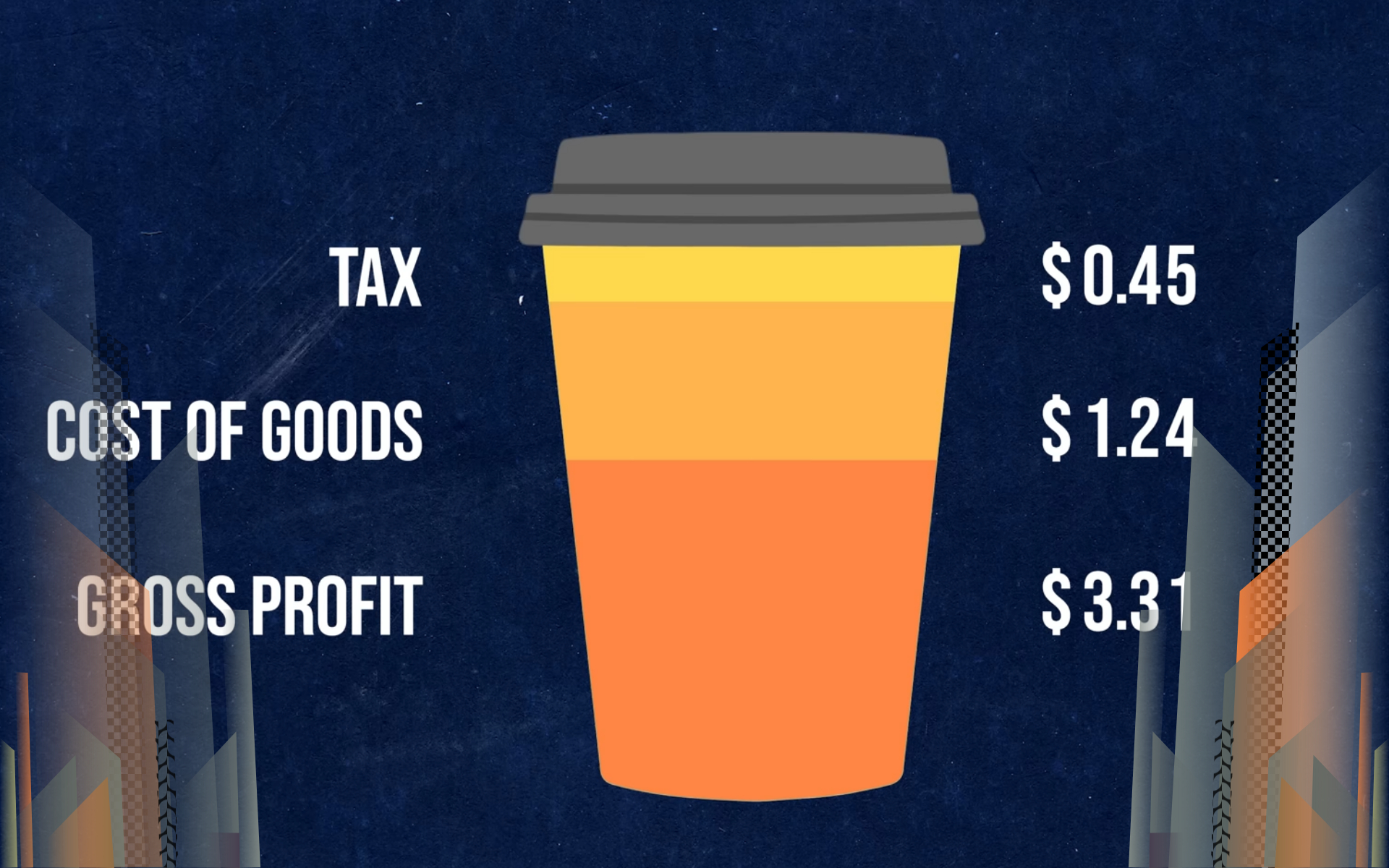
Money Flow in a Business Venture
Understand how money moves through a business venture, from initial investment and operating expenses to revenue, profit, and reinvestment.
Money flow is the movement of capital through a business venture. It begins with funding and continues through expenses, sales, profits, and reinvestment. A healthy money flow keeps a business operating, growing, and prepared for unexpected challenges.
A business venture may receive money from founders, investors, loans, or early customers. That money is then used to cover startup costs, hire employees, purchase equipment, develop products, and attract new customers. As the venture generates revenue, the goal is to maintain a positive balance between incoming and outgoing cash.
Sources of Money
The first stage of business money flow is securing enough capital to launch and operate the venture. Different funding sources come with different expectations, costs, and levels of control.
- Founder contributions
- Investor funding
- Business loans
- Grants and government programs
- Customer prepayments
- Revenue from early sales
- Strategic partnerships
Founders should determine how much capital the business needs before seeking funding. A clear financial plan can help estimate startup costs, monthly operating expenses, expected revenue, and the point at which the venture may become profitable.
Business Expenses
Once funding enters the business, it must be allocated carefully. Expenses should support the venture’s ability to create value, serve customers, and generate future revenue.
Common business expenses include:
- Product development
- Employee salaries and contractor payments
- Rent, utilities, and software
- Marketing and advertising
- Inventory and materials
- Professional services
- Taxes, insurance, and loan repayments
Revenue does not always arrive at the same time as expenses. A business may need to pay suppliers and employees before customers pay their invoices. Managing this timing difference is an important part of maintaining healthy cash flow.
Revenue and Profit
Revenue is the money a business receives from selling products or services. Profit is what remains after the business pays its expenses. Although revenue growth is important, a venture must also control costs and protect its margins.
A simple way to understand profit is:
Profit = Revenue − Expenses
A business can generate strong sales and still experience financial pressure if expenses grow too quickly or customers take too long to pay. Tracking revenue, costs, accounts receivable, and available cash helps business owners make informed decisions.
Reinvestment and Growth
When a venture produces a surplus, the money can be used to strengthen and expand the business. Reinvestment may improve operations, increase production capacity, support hiring, or help the company reach new markets.
Possible uses of profit include:
- Building an emergency cash reserve
- Hiring additional employees
- Improving products or services
- Expanding marketing efforts
- Purchasing equipment
- Paying down debt
- Distributing returns to owners or investors
The right balance depends on the venture’s goals. A growing company may reinvest most of its profits, while a mature business may prioritize stable distributions and long-term reserves.
Keeping Money Flow Healthy
Effective money management requires regular monitoring and disciplined planning. Business owners should review cash flow statements, update forecasts, negotiate favorable payment terms, and avoid unnecessary expenses.
A healthy money flow strategy includes:
- Separating business and personal finances
- Maintaining a realistic operating budget
- Monitoring cash reserves
- Invoicing customers promptly
- Following up on overdue payments
- Planning for taxes and seasonal changes
- Keeping funding options available
Money flow is more than tracking how much money enters and leaves a business. It is a system that connects funding, operations, sales, profitability, and growth. By managing each stage carefully, a business venture can remain financially stable while building a strong foundation for long-term success.